
Retrieved 21 Eggs Over 2 Years but Never Achieved Implantation? Many IVF Mothers Overlook This Key Issue!
Retrieved 23 Eggs Over 2 Years but Never Achieved Implantation? Many IVF Mothers Overlook This Key Issue!
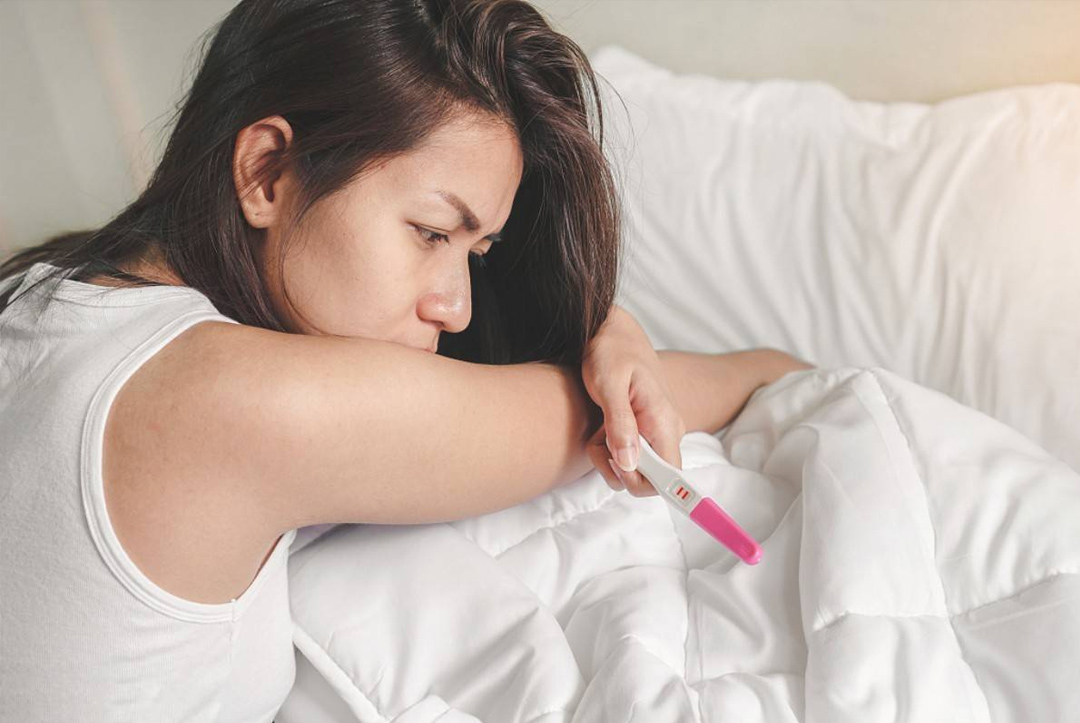
In the process of IVF treatment, the most heartbreaking moment is often not a low number of retrieved eggs or the discomfort of ovarian stimulation, but repeatedly missing the chance of pregnancy despite seemingly good test results.
Many women pay close attention to indicators such as AMH and basal follicle count when trying to conceive. When they see normal ovarian reserve and an ideal follicle count, they assume that successful pregnancy is only a matter of time. However, the reality is: the number of retrieved eggs is not small, but high-quality embryos are scarce; the transfer protocol is standardized, and embryo quality is not poor, yet implantation still fails to occur.
This situation is not uncommon among the many overseas fertility cases encountered by Global New Life.
Today, we share the story of Xiao Lin (pseudonym), who faced exactly this dilemma. Over two years, she retrieved a total of 23 eggs but never achieved a successful implantation. It was only before her third IVF cycle that she made a decision different from most others—a decision that ultimately led to the arrival of her baby.
Why Do Embryos Fail to Develop Despite a Good Number of Eggs?
When 37-year-old Xiao Lin came to Global New Life for consultation, she had already experienced two failed IVF cycles.
Based on her test results, she actually belonged to what many would consider an "excellent candidate." Her AMH was 3.33 ng/ml, FSH was 8.20 IU/L, and the total number of basal follicles on both ovaries on day 2 of her menstrual cycle was 11. From an ovarian reserve standpoint alone, these figures were even better than those of many women her age. Her husband's semen analysis was also favorable, with only mild oligospermia; sperm motility, morphology, and DNA fragmentation were all within ideal ranges, so male factors were essentially ruled out.
Surprisingly, the couple had been trying to conceive naturally for years without success. To improve her chances, Xiao Lin underwent two IVF cycles. In the first retrieval, 11 eggs were obtained, but only one blastocyst suitable for chromosomal screening was cultured. During the second ovarian stimulation, the doctor further optimized the protocol and added adjuvant medications to improve egg quality. Ultimately, 12 eggs were retrieved, but the result was still unsatisfactory—only one 4BC blastocyst formed, which failed to implant after transfer.
Two consecutive failures left Xiao Lin deeply confused. Why, with plenty of follicles, plenty of eggs, and a sound protocol, could she still not obtain ideal embryos? In fact, this is an issue that many patients undergoing Thai third-generation IVF often overlook—what determines the pregnancy outcome is never just the number of eggs, but the overall internal environment of the body.
The Real Issues Often Lie Beyond the Lab Reports
Before preparing for the third IVF cycle, Global New Life's fertility consultant team helped Xiao Lin re-evaluate her previous test data. An in-depth analysis revealed that multiple important factors had been affecting her fertility for a long time.
1. Chronic Inflammation from Hashimoto's Thyroiditis
Although her TSH level was normal, her thyroid antibody TGAb was significantly elevated. Many people think that normal thyroid function means no problem, but in reality, the chronic inflammation caused by Hashimoto's thyroiditis persistently affects the follicular development environment, reducing egg quality and endometrial receptivity.
2. Hidden Insulin Resistance
Fasting blood glucose appeared normal, but an insulin release test indicated significant abnormalities. A prolonged state of high insulin can damage mitochondrial function in oocytes, leading to insufficient energy supply during egg development and thus affecting embryonic developmental potential.
3. Elevated Homocysteine
Her test results showed a homocysteine level of 12.48 μmol/L. This marker is closely related to methylation metabolism, which is involved in DNA replication, chromosome division, and the entire process of embryonic development. When homocysteine remains persistently high, it not only affects chromosomal stability in eggs but may also reduce embryo implantation rates.
4. Vitamin D Deficiency
In recent years, more and more studies have found that vitamin D not only affects bone health but also deeply participates in follicular development, immune regulation, and the establishment of endometrial receptivity. Women with insufficient vitamin D levels often have reduced IVF success rates.
5. Poor Intestinal Absorption
Long-term bloating, sticky stools, and poor appetite indicated reduced nutrient absorption efficiency. Even with high-dose supplementation, if nutrients cannot be effectively absorbed, they are unlikely to truly benefit follicular development.
6. Insufficient Mitochondrial Function
Mitochondria are known as the "energy factories" of the egg. A mature egg undergoes enormous energy consumption from primordial follicle development to ovulation. Chronic inflammation, metabolic abnormalities, and nutritional deficiencies can all damage mitochondrial function, leading to decreased egg quality and arrested embryonic development.
Before the Third IVF Cycle, She Did Something Many Cannot Do
Faced with repeated failures, Xiao Lin did not immediately start her third ovarian stimulation. She chose to pause. This is a step that many cross-border fertility families tend to overlook—instead of rushing into another egg retrieval, focus on restoring the body first.
With the guidance of Global New Life's overseas medical escort team, she began systematic conditioning:
- Improve intestinal absorption function;
- Regulate glucose and lipid metabolism;
- Supplement vitamin D;
- Lower homocysteine levels;
- Boost mitochondrial function;
- Adjust daily routines;
- Establish an exercise habit;
- Improve sleep quality.
At first, her biggest changes weren't even in her lab reports, but in how she felt physically. Bloating decreased. Stools became well-formed. Her hands and feet were no longer cold. Her mood stabilized. Sleep quality improved significantly. As her physical condition gradually improved, various indicators also started moving in the right direction. Homocysteine dropped to 6.09 μmol/L; vitamin D returned to normal; insulin resistance improved markedly; overall inflammation levels came under control. These changes together created a more favorable internal environment for follicular development and embryo implantation.
The Third Egg Retrieval Finally Brought a Turnaround
In July 2025, Xiao Lin entered another IVF cycle.
This time, she obtained three high-quality blastocysts: one 4AB and two 4BB. Even more encouraging, all passed genetic screening smoothly.
For someone who had experienced two previous failures, this outcome was a quantum leap. During the subsequent Thai third-generation IVF transfer, two blastocysts were successfully implanted. On day 8 after transfer, the long-awaited double lines appeared on the pregnancy test. Subsequent hCG levels rose appropriately, fetal heartbeat and fetal pole were observed on time, and non-invasive DNA screening came back clear. Ultimately, she delivered a healthy full-term baby.
Final Thoughts
After repeated IVF failures, many people look for new clinics, new medications, and new protocols. But in reality, it is often the overall body environment that truly determines egg quality and embryo potential.
For families planning IVF, Thai third-generation IVF, overseas fertility treatment, or cross-border surrogacy, rather than continuously pursuing more eggs, it is better to first ensure the body provides the optimal conditions for nurturing life.
When the body's internal environment truly improves, egg quality, embryo development, and implantation rates often undergo unexpected positive changes.
Global New Life has always believed that every baby's arrival is no accident. Scientific evaluation, precise conditioning, professional overseas medical support, and personalized fertility planning are the essential foundations for improving success rates.
May every hopeful parent persevering on the path to conception soon receive their long-awaited good news.

- Previous
- Next