
Why Some Women See No Results from CoQ10 After Six Months? The Real Key to Truly Improving Egg Quality May Be Hiding on Your Plate!
Why Some Women See No Results from CoQ10 After Six Months? The Real Key to Truly Improving Egg Quality May Be Hiding on Your Plate!
For many women who are trying to conceive, preparing for IVF, or even planning to undergo third-generation IVF treatment in Thailand, improving egg quality is almost the top priority in the entire conception journey.
Many women's first instinct when hearing about "egg nurturing" is to buy various supplements: CoQ10, PQQ, NMN, DHA, and all kinds of mitochondrial boosters.
However, the reality is: some women take them for months without seeing any change in AMH; others get a good number of eggs but still end up with poor embryo quality; and some go through repeated IVF failures without ever finding the cause.
In fact, the problem may not lie with the supplements themselves, but rather with a more fundamental factor that many overlook—diet. Compared to expensive nutritional products, scientific eating is the true underlying logic that determines mitochondrial function and egg quality.
The Key to Good Egg Quality: Vibrant Mitochondria
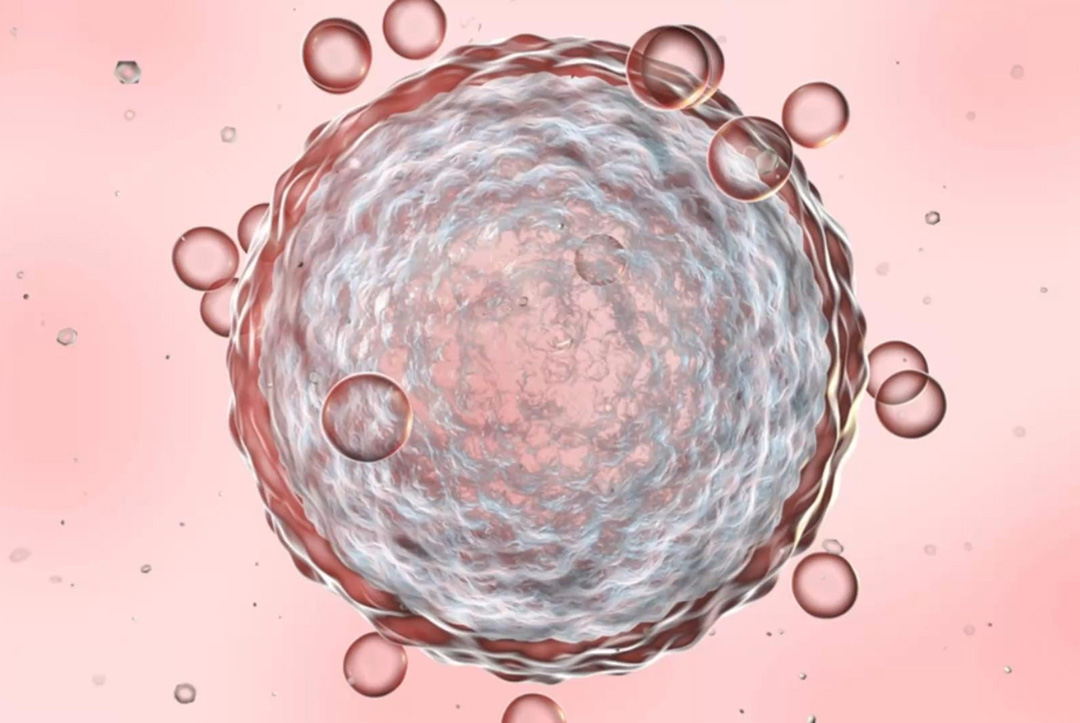
Many people don't know that the egg is actually the largest cell in the human body. And the crucial energy source that supports egg maturation, fertilization, and embryo development is the mitochondria.
Research has found that a mature egg contains approximately 200,000 to 600,000 mitochondria. These mitochondria continuously produce ATP energy to support:
- Follicular development
- Chromosome segregation
- Fertilization process
- Early embryo development by providing power support
Therefore, whether trying to conceive naturally or undergoing IVF treatment, the quality of egg mitochondrial function directly affects the final pregnancy outcome.
Especially for women of advanced maternal age, as age increases, mitochondrial function declines, and egg quality drops accordingly. This is one of the key reasons why pregnancy becomes significantly more challenging after age 35.
Why Taking Supplements Alone Often Yields Limited Results?
Many people regard CoQ10 as a "magic bullet" for boosting egg quality. In reality, CoQ10 is more like an auxiliary tool that helps mitochondria work. Without high-quality fuel, even the best engine cannot perform at its peak.
Mitochondrial energy production goes through three core stages:
Stage One: Nutrient Supply
Carbohydrates, proteins, and fats are digested and absorbed into cells, providing raw materials for the mitochondria.
Stage Two: Energy Conversion
These nutrients enter the tricarboxylic acid cycle, where various enzymes and coenzymes participate in metabolic reactions. B vitamins, magnesium, zinc, selenium, and other trace elements are all involved.
Stage Three: ATP Synthesis
Ultimately, ATP is formed to provide energy for the cell. However, at the same time, a large number of free radicals are produced. If free radicals accumulate excessively, they can in turn damage the mitochondria, creating a vicious cycle.
Therefore, a truly effective egg-nurturing regimen is not just about nutritional supplementation; more importantly, it involves improving energy supply efficiency through a proper diet while reducing oxidative damage.
Green Tea, Misunderstood for Years, May Be a Natural "Egg-Nurturing Assistant"
When it comes to preconception diet, many people immediately put coffee and tea on the blacklist. In fact, an increasing number of studies in recent years have found that moderate caffeine intake is not as harmful as once thought. The key lies in dosage and individual differences.
The tea polyphenols in green tea and the polyphenols in coffee have strong antioxidant effects. They can help scavenge free radicals and reduce oxidative stress, thereby protecting mitochondrial health.
Simply put: the fewer free radicals, the less mitochondrial damage, and the more stable the energy support for the egg.
This effect is particularly important for women who are trying to conceive or undergoing IVF treatment.
Caffeine Has Another Advantage That Many Don't Know About
In addition to its antioxidant effects, caffeine can also help the body improve fat utilization efficiency. Fat is one of the most important fuels for mitochondria.
When fat metabolism efficiency is enhanced, mitochondria can obtain a more stable energy supply, thereby boosting ATP production capacity.
Some studies suggest that moderate caffeine intake can promote fatty acid oxidation and utilization without significantly increasing mitochondrial metabolic burden.
This means the body can produce energy more efficiently without creating excessive oxidative stress. For women in the follicular development phase, this metabolic advantage has positive implications.
What's Even More Impressive: It Can Help Mitochondria "Renew and Upgrade"
The mitochondria in the human body are not permanent. They age and can become damaged. At such times, a mechanism needs to be activated:
Mitophagy
This can be thought of as an internal cellular housecleaning. After old and damaged mitochondria are cleared out, new ones can be generated, thereby improving the energy supply efficiency of the entire cell.
Research has found that moderate caffeine intake may activate this process, thereby promoting mitochondrial renewal.
For individuals with declining egg quality, poor embryo quality, or repeated IVF failures, maintaining a healthy mitochondrial renewal mechanism is of great significance.
Can You Drink Coffee While Trying to Conceive?
The answer is not a simple "yes" or "no," because everyone's physical condition is different.
For example: women of advanced maternal age; women with polycystic ovary syndrome (PCOS); those with endocrine disorders; patients with repeated IVF failures; and individuals with sleep disorders or anxiety issues may have completely different tolerances to caffeine.
Therefore, the most scientific approach is not to blindly quit, but to develop a dietary plan tailored to individual circumstances.
Before Starting IVF, This Diet Matters More Than Blind Supplementation
If you are trying to conceive, especially if you are preparing for third-generation IVF treatment in Thailand, it is recommended to start adjusting your dietary structure 3-6 months in advance:
- Increase high-quality protein intake: fish, eggs, milk, lean meat, etc.
- Add natural antioxidant foods: blueberries, avocados, broccoli, green tea, etc.
- Limit refined sugar and trans fats: reduce inflammation and oxidative damage.
- Maintain a regular routine: sleep quality directly affects mitochondrial repair capacity.
- Personalized nutritional management: develop a customized plan based on age, AMH level, hormone indicators, and underlying conditions.
Global New Life Reminds: Nurturing Eggs Isn't About Taking Endless Supplements; It's About Building a Scientific Fertility Management System
Whether achieving pregnancy naturally, through IVF, or via third-generation IVF in Thailand, egg quality remains one of the critical factors determining success rates.
Supplements can serve as supportive tools, but the core factor that truly influences mitochondrial function is still a long-term, stable lifestyle and dietary management.
As a professional agency specializing in overseas fertility services, Global New Life has long provided families with reproductive needs:
- Third-generation IVF consultation in Thailand
- Overseas fertility planning
- Cross-border childbirth services
- Overseas medical escort and translation
- Reproductive specialist appointments
- Personalized preconception guidance
Helping more families avoid detours on the path to scientific assisted reproduction.
If you are experiencing issues such as poor egg quality, low embryo grades, or repeated implantation failures, start with diet and mitochondrial management. Perhaps the next time, a positive outcome will be one step closer.

- Previous
- Next