
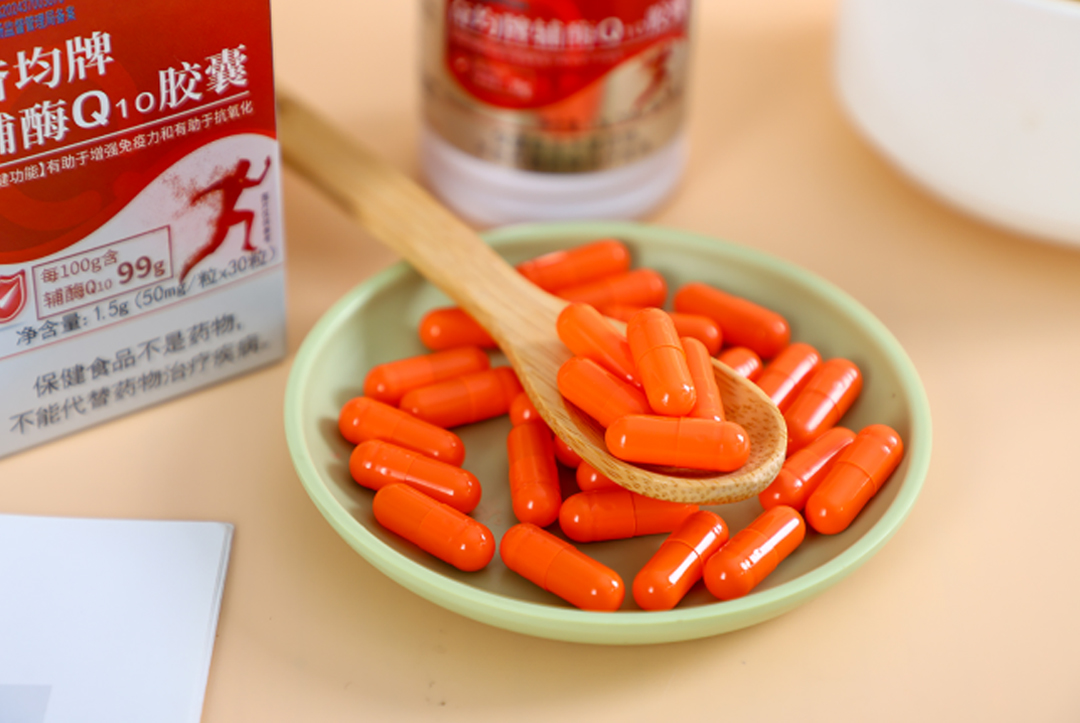
Is Coenzyme Q10 really a ‘miracle for egg quality’? Latest research finds: It’s actually only effective for these 3 types of women!
Is Coenzyme Q10 Really a "Miracle Supplement for Egg Quality"? New Study Reveals: Only These 3 Types of Women Actually Benefit!
In recent years, "egg nurturing" has become one of the hottest topics in the fertility community.
Especially with Coenzyme Q10, many people, upon hearing "improves egg quality" or "enhances embryo quality", immediately start buying it, even taking multiple antioxidant supplements daily.
But here's the question: Is Coenzyme Q10 truly suitable for all women trying to conceive? Is poor egg quality really just about "nutrient deficiency"? Why have some women taken it for six months without significant improvement in AMH, follicles, or embryos?
In fact, a recent large-scale meta-analysis has provided a more objective answer: Coenzyme Q10 is not a "universal egg booster." The groups that truly benefit are highly specific.
Today, let's explore scientifically: Does Coenzyme Q10 work? Which women should consider supplementing? And what is the often-overlooked core of "egg nurturing"?
Why Are More People Starting to Focus on "Egg Nurturing"?
With the increasing trend of late marriage and childbirth, more women are entering the preconception phase after age 35.
Aging not only slows down conception but also leads to:
- Decreased oocyte maturation rate
- Increased embryo chromosomal abnormality rate
- Lower implantation rate
- Higher risk of miscarriage
- Reduced embryo yield in IVF
Many women, even without obvious gynecological issues, experience:
- Slow follicle development
- Fewer retrieved oocytes
- Average embryo quality
- Repeated implantation failure
- Multiple biochemical pregnancies or miscarriages
Consequently, "egg nurturing" has become a key term in fertility preparation. Coenzyme Q10, with its concepts of "antioxidation" and "improving mitochondrial energy," is considered a must-have by many.
Latest Meta-Analysis: Coenzyme Q10 Is Not Effective for Everyone
The research team searched international databases through 2024 and, from thousands of studies, selected high-quality clinical controlled trials for comprehensive analysis.
The key question: Can supplemental antioxidant nutrients genuinely improve egg quality and pregnancy outcomes? The findings revealed:
Among the many popular "egg-nurturing ingredients," Coenzyme Q10 is one of the few proven to have clear reproductive benefits. Its primary mechanisms include improving mitochondrial energy metabolism in oocytes, reducing oxidative stress damage, scavenging free radicals, and protecting the follicular microenvironment.
In simple terms: Oocytes are highly dependent on energy supply. The worse the mitochondria, the more likely the oocyte's maturity, fertilization ability, and embryo development potential are affected. The core value of Coenzyme Q10 is to help eggs "slow down energy decline."
But here's the key: Not all women will benefit significantly from supplementation.
Only These 3 Types of Women Truly Benefit Significantly
Group 1: Women with Poor Ovarian Response (POR)
These women typically exhibit: low AMH, few antral follicles, low oocyte yield during stimulation, and low embryo formation rate.
Studies have found that Coenzyme Q10 offers some improvement for women with poor ovarian response, especially in IVF cycles: oocyte quality, embryo development potential, and live birth rates show a certain upward trend. This is because one of their main core issues is insufficient oocyte energy.
Group 2: Women with Polycystic Ovary Syndrome (PCOS)
Many women with PCOS don't lack eggs; rather, they have "many follicles that don't develop well."
Common manifestations include: asynchronous follicle development, abnormal ovulation, endocrine disruption, and insulin metabolism issues.
In studies, women with PCOS are among the most evident beneficiaries of Coenzyme Q10. The reason: Women with PCOS have long-term chronic inflammation and oxidative stress. Coenzyme Q10 may help follicles achieve more stable developmental conditions by improving the cellular oxidative environment.
Group 3: Women Aged 35 and Older Preparing for Pregnancy
The greatest challenge for advanced maternal age is not "difficulty conceiving" but a significantly elevated rate of embryonic chromosomal abnormalities.
Many women find they can get pregnant but face miscarriages, high rates of abnormal embryo screening, and decreased blastocyst formation. This occurs because mitochondrial function in oocytes declines notably with age.
Studies show that standardized Coenzyme Q10 supplementation leads to: increased oocyte maturation rate, reduced risk of embryonic aneuploidy, and decreased chromosomal abnormality rate.
In other words, it helps slow down the aging process of oocytes in older women.
But Many Overlook a Critical Issue
What truly affects egg quality is never just a "lack of Coenzyme Q10."
This is the biggest misconception among many women trying to conceive. Many assume that simply loading up on supplements will automatically improve egg quality.
But in reality, the factors that continuously damage egg quality are often these:
- Chronic sleep deprivation
- High emotional stress
- Chronic inflammation
- Hormonal imbalance
- High-sugar diet
- Insulin resistance
- Chronic anxiety
- Obesity or metabolic issues
- Poor sleep quality
These issues continuously create oxidative stress, which is a major driver of egg aging.
In other words: If you stay up late, feel anxious, and have hormonal imbalances while popping excessive Coenzyme Q10, the results will naturally be limited.
Why Do Some People Take It for a Long Time Without Results?
Because nutritional supplements are, by nature, only "adjuvants."
They cannot replace: endocrine regulation, metabolic improvement, lifestyle repair, sleep restoration, emotional management, pelvic circulation enhancement, and certainly cannot reverse already severely declined ovarian function.
Truly scientific egg nurturing is never about "the more you take, the better." It is about first stabilizing the body's overall environment.
The 4 Most Important Things for Egg Nurturing
1. Regular Sleep Schedule
The follicle development cycle takes approximately 90 days. Chronic sleep deprivation directly affects hormonal rhythms and the follicular microenvironment.
2. Control Chronic Inflammation
A long-term high-sugar, high-fat diet, frequent eating out, and alcohol or tobacco use can increase the body's inflammatory state. The more inflammation, the greater the oxidative damage.
3. Manage Emotions and Stress
Chronic anxiety continuously stimulates cortisol secretion. Elevated stress hormones can disrupt ovulation and endocrine stability.
4. Scientifically Manage Metabolism
Especially for women with PCOS, those with higher BMI, and those with insulin resistance, improving metabolism is often more important than blindly taking supplements.
Final Thoughts:
Coenzyme Q10 is not "snake oil," but it is certainly not a "cure-all."
For those who are truly suitable, it may provide some help. But what ultimately determines egg quality and pregnancy outcomes is the body's overall reproductive environment.
Rather than blindly following supplement trends, it is more important to: identify your own issues, adjust your lifestyle, manage inflammation and metabolism, stabilize endocrine function, and establish a long-term, scientific approach to fertility preparation.
Truly good eggs are never "supplemented" into existence. They are gradually nurtured by the body's overall condition.

- Previous
- Next