
After Two Missed Miscarriages, Finally Finding the Cause: A Family with Chromosomal Balanced Translocation’s Journey to Third-Generation IVF in Thailand
For many families going through recurrent pregnancy loss, the hardest part is often not a single failure, but experiencing disappointment again and again without ever knowing where the real problem lies.
Before this expectant mother decided to learn more about IVF, she had already experienced two pregnancy losses.
At first, the couple had no idea where the problem originated. Because many factors can lead to pregnancy loss, including embryonic chromosomes, endocrine function, uterine environment, and genetic factors from both partners. After completing further tests, they finally found an important clue: the woman's karyotype was normal, while the man was found to have a balanced chromosomal translocation.
This was the first time the couple truly understood why they had been able to conceive naturally before, yet time and again the pregnancy had not been able to continue to term.
What is a balanced chromosomal translocation?
A balanced chromosomal translocation, in simple terms, occurs when two different chromosomes break and exchange segments with each other before reconnecting.
Because the overall amount of genetic material is generally neither significantly increased nor decreased, many carriers of balanced translocations show no obvious abnormalities in appearance, intelligence, or daily life. For this very reason, many couples do not realize that they or their partner are carriers of a balanced translocation before they begin trying to conceive naturally.
The real problem often appears at the reproductive stage. When a carrier of a balanced translocation produces sperm or eggs, some gametes may end up with extra or missing chromosome segments, which can in turn affect the chromosomal composition of the embryo. As a result, such couples may face embryonic chromosomal abnormalities, recurrent miscarriage, or pregnancy loss.
For both partners, once this was understood, the next most important question became: Is there a way to learn as much as possible about the chromosomes of an embryo before transfer?
This was also the main reason they began to look more closely into third-generation IVF in Thailand.
From recurrent pregnancy loss to exploring third-generation IVF in Thailand
When planning their overseas fertility journey, what the couple cared about most was not simply "whether or not to do IVF," but finding a more targeted approach for their situation.
What is commonly referred to as third-generation IVF in Thailand is typically based on IVF or ICSI, combined with preimplantation genetic testing — commonly known as PGT — tailored to the specific circumstances of both partners.
For families with chromosomal structural abnormalities, doctors and genetic counselors will assess whether there are appropriate genetic testing indications based on chromosome test results, previous pregnancy history, and embryo status. This is not the same as the general notion of "doing third-generation IVF just to improve success rates."
For this couple, what they truly wanted to address was: how to identify, as far as possible, embryos whose chromosomal status is more suitable for subsequent transfer, thereby reducing the uncertainty of repeated attempts and repeated pregnancy loss they had experienced before.
Starting the cycle in Thailand: 19 eggs retrieved, leading to 11 blastocysts
After completing their preparations, the couple officially began their IVF journey in Thailand.
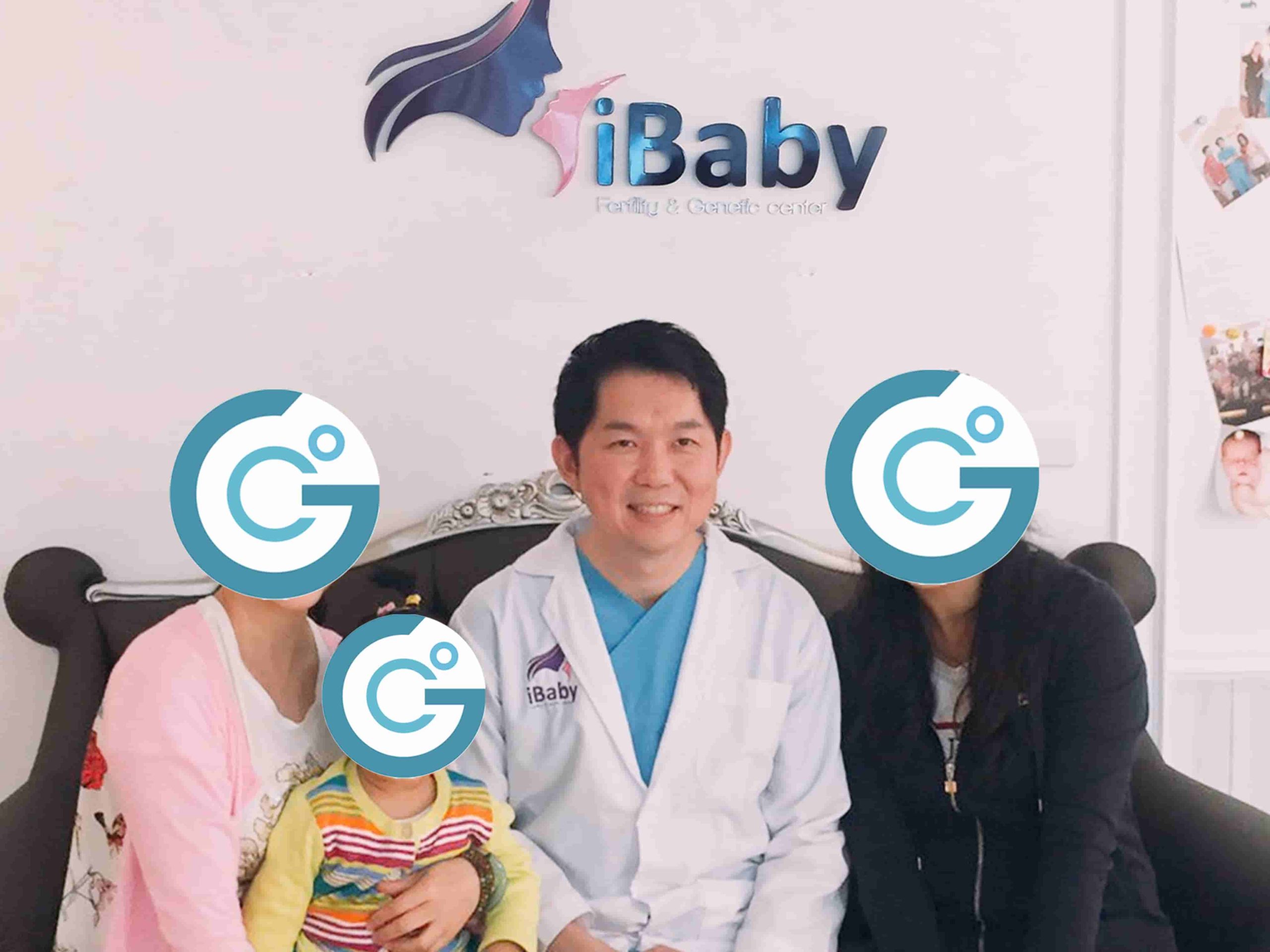
With the assistance of ThaiHo, they chose the iBaby hospital in Thailand for ovarian stimulation. Once the cycle began, the woman followed the protocol developed by her doctor, completed the necessary preparations, and proceeded with egg retrieval. This time, a total of 19 eggs were obtained. The eggs then entered the laboratory fertilization stage, resulting in 17 fertilized embryos. The embryos continued to be cultured in the laboratory.
For IVF families, the days from fertilization to blastocyst culture are often among the most anxious in the entire process. This is because not every fertilized embryo is able to continue developing to the blastocyst stage. In the end, the couple obtained 11 day-5 blastocysts. From 19 eggs, to 17 fertilized embryos, to 11 blastocysts — behind each number lies a step of selection during laboratory culture.
But for them, this was not yet the final step. Because the man had a confirmed balanced chromosomal translocation, the next truly critical step was to learn more about the chromosomal status of these blastocysts.
Further testing of the 11 blastocysts: 3 embryos found to have completely normal chromosomes
After blastocyst culture was completed, the couple proceeded with further embryonic genetic testing according to the planned protocol. When the results came back, of the 11 blastocysts, 3 embryos showed completely normal chromosomes and did not carry the original balanced translocation.
The moment they saw the results, the couple finally felt that "the direction was becoming clearer." In the past, what they experienced was conceiving naturally and then waiting for the outcome. This time, for the first time, they had access to more information about the genetic status of their embryos before transfer.
For a family that has experienced recurrent pregnancy loss, the significance of this goes beyond the medical level alone. More importantly, much of the uncertainty that had previously been unexplainable finally began to make sense.
From embryo screening to transfer: good news at last
After completing the necessary physical preparations, the woman returned to Thailand for the embryo transfer stage. According to the protocol at that time, the doctor arranged for the embryo transfer. This was followed by the waiting period for the pregnancy test result. For her, having experienced two previous pregnancy losses, this wait felt especially long. It was not until the pregnancy test brought good news that the couple could finally begin to relax. A follow-up ultrasound further confirmed: an intrauterine singleton pregnancy.
From recurrent pregnancy loss and searching for answers, to discovering a balanced chromosomal translocation, to deciding to explore third-generation IVF in Thailand, obtaining blastocysts, completing genetic testing, and finally welcoming a healthy intrauterine pregnancy — this overseas fertility journey was not an easy one. But what truly changed the course of the entire process for them was not blindly repeating attempts, but first identifying the important cause behind their past repeated failures.
What should families with a balanced chromosomal translocation pay more attention to before IVF?
This case also offers a very important reminder for families currently considering IVF: recurrent pregnancy loss or recurrent miscarriage does not mean the only option is to keep "trying your luck" next time. If a couple has experienced similar situations, they can undergo a more systematic evaluation of the factors that may be involved under the guidance of a qualified doctor. Genetic counseling deserves particular attention, especially when tests indicate that one or both partners have a chromosomal structural abnormality, a clear family history of genetic disease, or other genetic risks.
It should be noted that third-generation IVF in Thailand is not a protocol that every family must choose. PGT cannot guarantee that every embryo will be normal, nor can it guarantee that every transfer will be successful. The truly reasonable approach is to first consider the couple's age, ovarian reserve, semen parameters, chromosome test results, previous pregnancy history, and the number of embryos available — and then have a qualified doctor determine which assisted reproductive protocol is most appropriate.
What truly matters in an overseas fertility journey goes beyond choosing a hospital
For families planning an overseas fertility journey or cross-border birth planning for the first time, the real preparations go far beyond simply "booking a flight to Thailand." From organizing preliminary test results and records, to researching hospitals, doctors, and protocols, to booking appointments, planning travel to Thailand, arranging accommodation and transportation, coordinating translation and communication, and managing follow-up timelines — every step needs to be carefully coordinated in advance.
This is one of the key values of overseas patient coordination services. For families preparing to learn about third-generation IVF in Thailand, the earlier they organize their basic information, previous fertility history, and test records, the more targeted their communication with hospitals and doctors will be.
Final thoughts
This journey began with two pregnancy losses. At first, what they faced was the confusion that follows repeated loss: if they could conceive, why could they never carry the pregnancy through? It was not until chromosome testing revealed that the man had a balanced translocation that they finally found an important direction. Later, through IVF, they obtained 19 eggs and 17 fertilized embryos, ultimately developing 11 blastocysts; after further testing, 3 of those embryos showed completely normal chromosomes. In the end, what awaited them was the good news of an intrauterine singleton pregnancy.
For families currently experiencing recurrent pregnancy loss or chromosomal abnormalities, or those considering third-generation IVF in Thailand, overseas fertility treatment, or cross-border birth planning, what is truly worth taking away from this case is not simply "one successful attempt." Rather, it is this: identify the underlying problem first, and then choose the protocol that truly matches your own situation. Less blind trying, and more thorough understanding. For many families on the overseas fertility journey, this may be the most important step of all.

- Previous
- Next