
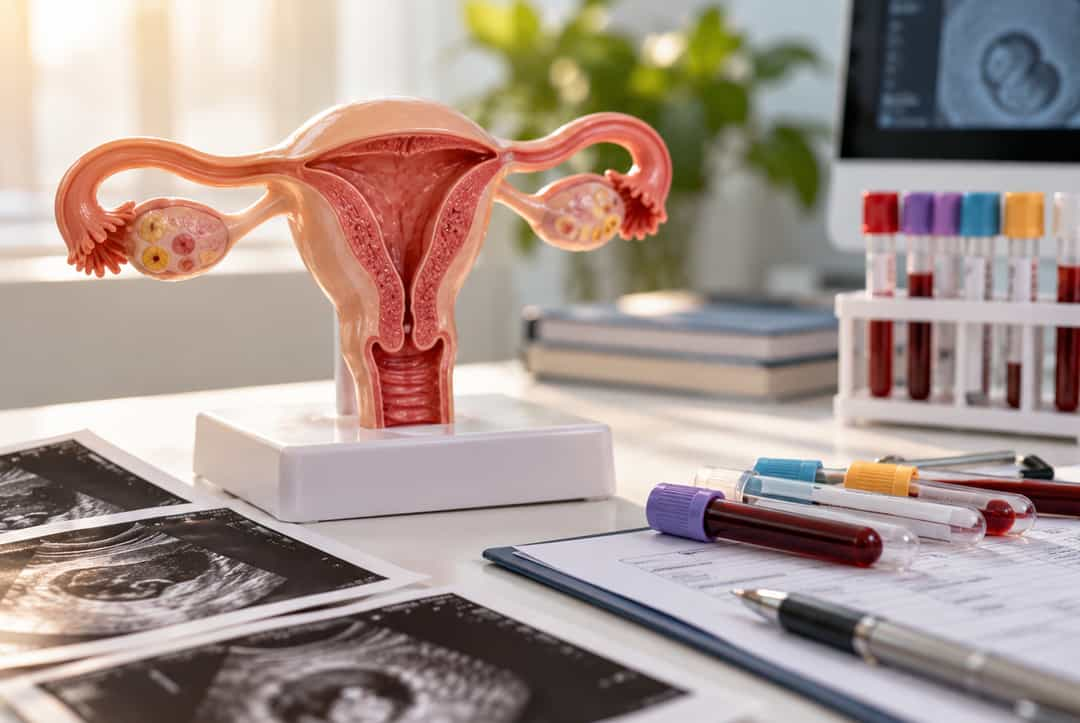
All tests are normal—so why can’t I get pregnant? These 4 often-overlooked indicators may hold the secret to fertility.
After trying to conceive for six months, one year, or even longer, couples may have undergone many tests. Ovarian function appears normal, the fallopian tubes show no obvious abnormalities, and the man’s semen analysis report shows no serious problems—yet pregnancy still has not happened.
For families who have been trying to conceive for a long time without success, this situation is not uncommon. Some couples eventually choose IVF treatment, hoping to use assisted reproductive technology to achieve their family-building plans, but they may then face issues such as suboptimal ovarian response, a limited number of usable embryos, or even repeated unsuccessful embryo transfers.
Why can the process of achieving pregnancy still be hindered even when all test results are within reference ranges?
In fact, fertility is not determined by any single test result. In addition to age, ovarian reserve, sperm quality, and the structure of reproductive organs, glucose metabolism, endocrine function, nutritional status, and lifestyle may also be closely related to reproductive health.
This is especially relevant for couples diagnosed with “unexplained infertility.” The fact that routine tests have not found clear abnormalities does not mean that all factors that could affect fertility have been fully evaluated.
Today, Huanqiu Xinsheng, drawing on research related to reproductive medicine, looks at four body indicators worth paying attention to, to help readers understand fertility health issues that are easily overlooked and the aspects that can be scientifically evaluated before preparing for IVF or third-generation IVF treatment in Thailand.
1. If Test Results Are Normal, Why Does That Not Necessarily Mean Fertility Is Normal?
In medicine, unexplained infertility usually refers to a situation in which a couple has undergone a standard basic infertility evaluation and no clear cause that can explain the infertility has been found.
Generally, the basic evaluation needs to assess female ovulation, fallopian tube patency, uterine and pelvic factors, and male semen parameters. Only when the necessary tests have been basically completed and no clear cause has been found will a doctor consider this diagnosis.
It is important to note that unexplained infertility does not mean the body must have some serious disease that has not yet been discovered, nor does it mean that all couples with normal routine test results belong to this category.
It reflects a reality more than anything else: current clinical tests can evaluate many important aspects of the reproductive system, but they still cannot fully explain every process of fertilization, embryo development, and implantation.
For example, routine ultrasound can observe the number and development of follicles, but it cannot directly determine the chromosomal status of each egg. Routine semen analysis can assess sperm concentration, motility, and morphology, but it cannot fully reflect all sperm functions. An endometrial thickness that reaches a certain level does not mean that an embryo will definitely implant successfully.
In addition, the human reproductive system is closely related to overall health status.
Follicle development requires stable energy metabolism; normal ovulation depends on hormone regulation among the hypothalamus, pituitary, and ovaries; and early embryo development involves cell division, mitochondrial function, and complex molecular signals.
When there are marked abnormalities in glucose metabolism, thyroid function, or nutritional status, some reproductive processes may be affected.
However, this does not mean that every minor fluctuation in an indicator will cause infertility, nor should all unexplained difficulty conceiving be attributed to so-called “suboptimal health.”
For couples preparing for pregnancy, what matters more is to consider age, time spent trying to conceive, past medical history, and test results to determine whether there are issues that require further evaluation and intervention.
2. Fasting Blood Glucose: Not Only Related to Diabetes but Possibly Also to Fertility
When fasting blood glucose is mentioned, many people first think of diabetes screening. But for women preparing for pregnancy, blood glucose levels and insulin metabolism status are also worth paying attention to.
The human body needs glucose metabolism to provide energy for cells, and follicular development, oocyte maturation, and early embryo development all depend on normal energy supply.
Within the ovary, there is complex metabolic cooperation between the oocyte and surrounding granulosa cells. Granulosa cells can participate in glucose utilization and provide the oocyte with metabolites needed to support its maturation.
If a woman has long-term marked hyperglycemia or insulin resistance, normal endocrine regulation may be affected, and this may be related to problems such as ovulatory disorders.
This is especially true in patients with polycystic ovary syndrome (PCOS), in whom insulin resistance is relatively common. Some patients may have abnormal glucose metabolism even when fasting blood glucose has not yet reached the diagnostic threshold for diabetes.
Large-Scale Study Finds an Association Between Preconception Blood Glucose and Time to Conception
Researchers in China once used data from more than 2.2 million couples trying to conceive to analyze the relationship between women’s preconception fasting blood glucose levels and pregnancy outcomes.
The study observed that abnormally elevated preconception fasting blood glucose was associated with a lower likelihood of pregnancy, while some women with blood glucose in the normal range showed relatively better conception outcomes.
In the relevant analysis, participants with fasting blood glucose in the 3.90–4.89 mmol/L range showed more favorable conception-related outcomes.
However, it is particularly important to emphasize here that this numerical range is a statistical observation from a specific study, not a clinically recognized optimal blood glucose standard for fertility.
It cannot be concluded from this that fasting blood glucose reaching 5.0 mmol/L or 5.5 mmol/L will affect pregnancy, and it is even more inadvisable to deliberately restrict diet in pursuit of a lower value, potentially causing hypoglycemia.
For women preparing for pregnancy, what truly needs attention is whether diabetes, prediabetes, insulin resistance, or other clear metabolic problems are present.
If obesity, polycystic ovary syndrome, a family history of diabetes, or previous gestational diabetes are present, doctors may arrange tests such as fasting blood glucose, glycated hemoglobin, or an oral glucose tolerance test as needed.
For women planning to undergo IVF treatment, reasonable management of glucose metabolism not only helps improve overall health but may also provide a better metabolic foundation for a subsequent pregnancy.
3. Thyroid-Stimulating Hormone: What Else Should Be Considered When the Value Is Within the Normal Range?
Although the thyroid is located in the neck, it is closely related to the body’s energy metabolism, menstrual cycle, and pregnancy process.
Thyroid-stimulating hormone (TSH) is secreted by the pituitary gland and mainly regulates the synthesis and release of thyroid hormones. Clinically, doctors usually evaluate thyroid function by combining TSH, free thyroxine (FT4), and other indicators.
For the female reproductive system, abnormal thyroid function may affect menstrual regularity and ovulation. In particular, untreated marked hypothyroidism may increase the risk of infertility and some adverse pregnancy outcomes.
In addition, in early pregnancy, the fetal thyroid has not yet fully established independent function, and maternal thyroid hormones are important for early fetal growth and development.
Therefore, thyroid function evaluation is something that some patients preparing for pregnancy and those undergoing assisted reproduction need to pay attention to.
Must TSH Be Below 2.5 in Women Preparing for Pregnancy?
Many women preparing for IVF treatment hear one value when their thyroid function is tested: 2.5 mIU/L.
However, this value does not apply to all women, and it cannot simply be understood that a value above 2.5 will cause infertility.
In practice, TSH reference ranges may differ among laboratories, and doctors also need to consider FT4, thyroid autoantibodies, previous thyroid disease, and whether the woman is already pregnant.
For women already diagnosed with hypothyroidism and receiving levothyroxine treatment, doctors may set stricter TSH management goals based on pregnancy preparation and pregnancy needs.
However, for women with normal thyroid function and only mildly elevated TSH, whether treatment is needed should still be judged according to the specific situation. Not everyone must keep TSH below 2.5 mIU/L.
For families planning to travel to Thailand for third-generation IVF treatment, if there is a history of thyroid disease, recurrent miscarriage, or other related risk factors, it is recommended to inform the reproductive doctor of the medical history before starting the treatment cycle and to complete relevant evaluations as needed.
The goal of scientifically managing thyroid function is to identify abnormalities that truly require treatment, not to make everyone’s laboratory results reach the same fixed value.
4. Homocysteine: An Easily Overlooked Metabolic Indicator
Homocysteine (Hcy) is a sulfur-containing amino acid intermediate formed during methionine metabolism in the human body.
It is not an indicator specifically used to assess liver function; rather, it is closely related to folate, vitamin B12, vitamin B6, and the activity of related metabolic enzymes.
Under normal circumstances, homocysteine can be converted into other substances through different metabolic pathways.
Some of it is converted back into methionine with the participation of folate and vitamin B12; another portion enters the transsulfuration pathway dependent on vitamin B6 and further participates in the production of substances such as cysteine.
These metabolic processes are connected to cellular methylation reactions, nucleic acid synthesis, and normal cell function.
If folate or vitamin B12 is insufficient, kidney function is abnormal, or certain genetic and metabolic factors are present, homocysteine levels may rise.
Does Elevated Hcy Directly Cause a Decline in Egg Quality?
In recent years, some studies have focused on the relationship between homocysteine and female reproductive health.
Some observational studies have found that in populations with polycystic ovary syndrome, recurrent pregnancy loss, and certain assisted reproduction groups, elevated homocysteine may be associated with adverse reproductive outcomes.
From the perspective of possible biological mechanisms, higher homocysteine levels are related to processes such as oxidative stress, vascular endothelial dysfunction, and metabolic disorders.
However, at this stage, it still cannot be concluded that mild Hcy elevation will necessarily damage egg quality, affect embryo implantation, or directly cause IVF failure.
It is also important to note that although some sources use 15 μmol/L as a reference threshold for elevated homocysteine, there is currently insufficient evidence to support the idea that all women preparing for pregnancy must keep Hcy below 8 μmol/L.
For women without related diseases or special risk factors, there is still insufficient evidence on whether routine homocysteine testing can improve pregnancy outcomes.
If there is confirmed hyperhomocysteinemia, folate or vitamin B12 deficiency, or other conditions, a doctor should evaluate the possible causes and decide whether further testing and intervention are needed.
For women preparing for pregnancy, taking an appropriate folic acid supplement according to routine preconception care recommendations is usually more important than blindly pursuing a particular Hcy value.
5. Vitamin D: Beyond Bone Health, What Is Its Relationship With the Reproductive System?
Vitamin D is an important fat-soluble nutrient in the human body and also participates in various hormone-like physiological regulatory processes.
In addition to promoting calcium and phosphorus absorption and maintaining bone health, vitamin D is also related to immune regulation, cell differentiation, and the function of various tissues.
In recent years, researchers have found vitamin D receptors in the ovaries, endometrium, and other reproductive-related tissues, which has drawn increasing attention to the relationship between vitamin D and fertility.
Some studies have attempted to analyze the relationships between vitamin D levels and anti-Müllerian hormone (AMH), ovarian function, endometrial status, and assisted reproduction outcomes.
Some observational studies suggest that vitamin D deficiency may be related to certain reproductive health issues, but the results of different studies are not completely consistent.
Will AMH and IVF Success Rates Improve After Vitamin D Supplementation?
This is a question that many women preparing for pregnancy care about.
It should be made clear that there may be some association between vitamin D and AMH, but at present it cannot be concluded that vitamin D supplementation can reliably improve ovarian reserve, improve egg quality, or increase IVF live birth rates.
AMH is mainly used to help assess ovarian reserve and expected ovarian response to stimulation, and its level is affected by age, follicle count, and other factors.
Even if some studies have observed changes in AMH after vitamin D supplementation, this cannot be directly equated with an increase in egg number, nor can it prove that a woman’s actual fertility has improved accordingly.
For women with markedly insufficient vitamin D levels, reasonable supplementation helps maintain bone and overall health, but whether it can improve assisted reproduction outcomes still requires validation by more high-quality clinical trials.
In addition, vitamin D is not better the higher the level.
Clinically, vitamin D status is usually assessed through serum 25-hydroxyvitamin D [25(OH)D], but different guidelines may define appropriate levels differently.
At present, there is insufficient evidence to support the idea that all women preparing for pregnancy need to maintain vitamin D above 40 ng/mL, and it is not recommended to take large doses of vitamin D long term on one’s own in order to increase the chance of pregnancy.
If there is a risk of vitamin D deficiency, bone disease, or other related medical conditions, a doctor should determine whether testing and supplementation are needed and set the dosage according to the actual situation.
For families preparing for IVF treatment, maintaining a reasonable nutritional status is worth attention, but nutritional supplementation cannot replace necessary reproductive medical evaluation.
6. Why Might Pregnancy Still Not Occur When All Four Indicators Are Normal?
After learning about fasting blood glucose, TSH, homocysteine, and vitamin D, it is also important to recognize one key point: these indicators are not the entire basis for judging fertility.
Even if all four indicators are within the normal range, this cannot guarantee that natural conception or assisted reproduction treatment will definitely succeed.
Female age remains one of the important factors affecting fertility. With increasing age, the number and quality of oocytes may gradually decline, and the risk of embryonic chromosomal abnormalities may also increase.
At the same time, ovulation function, fallopian tube factors, uterine and pelvic diseases, male semen quality, and timing of intercourse can all affect natural conception.
For couples who have already started IVF treatment, ovarian response to stimulation, number of mature eggs, fertilization, embryo developmental potential, and uterine environment can also jointly affect treatment outcomes.
Therefore, a minor fluctuation in a nutritional or metabolic indicator should not be identified as the main cause of infertility.
Likewise, it is not recommended to repeatedly add tests or use large amounts of nutritional supplements without clear medical indications.
For unexplained infertility, doctors usually need to consider the woman’s age, duration of infertility, previous pregnancy history, and fertility evaluation results for both partners, and discuss different options such as continuing to try natural conception, intrauterine insemination (IUI), or in vitro fertilization (IVF).
If a woman is 35 or older and has not conceived after 6 months of regular unprotected intercourse, prompt fertility evaluation is generally recommended; women under 35 can generally seek care after 12 months of trying without conception.
For women over 40, or couples with known risk factors such as marked menstrual abnormalities, fallopian tube disease, or abnormal male semen analysis, it is not appropriate to mechanically wait for the above timeframes; they should consult a specialist as soon as possible.
7. Preparing for Third-Generation IVF in Thailand: How Can Preconception Health Management Be Done Well?
For families planning to travel to Thailand for assisted reproductive treatment through overseas fertility treatment and cross-border reproductive care services, completing physical evaluation and document preparation in advance can help doctors understand the patient’s situation more comprehensively.
Before starting the treatment cycle, both partners can, according to the doctor’s recommendations, organize previous reproductive test reports, hormone test results, ultrasound records, semen analysis reports, and relevant records of chronic diseases and medications.
For patients with diabetes, thyroid disease, polycystic ovary syndrome, or nutritional deficiencies, relevant test results should also be provided to the reproductive doctor, who will determine whether targeted management is needed before ovarian stimulation or embryo transfer.
At the same time, attention should also be paid to basic health management such as a regular sleep schedule, a balanced diet, moderate exercise, smoking cessation, and avoiding excessive alcohol consumption.
Although these measures cannot guarantee the success of IVF treatment, they can help improve overall health and prepare the body for pregnancy.
For families hoping to receive third-generation IVF treatment in Thailand, it is also important to understand that preimplantation genetic testing (PGT) related to third-generation IVF is not suitable for all infertility patients.
Whether relevant testing is needed should be comprehensively evaluated by professional reproductive doctors and genetic counselors, taking into account age, genetic disease risk, chromosomal abnormalities, and previous reproductive history.
In the process of cross-border medical care, language communication, hospital appointments, organization of test documents, and treatment scheduling may also become important factors affecting the medical experience.
Huanqiu Xinsheng focuses on services related to assisted reproduction in Thailand. Based on the practical needs of families seeking fertility care overseas, it provides overseas medical accompaniment support such as hospital appointment coordination, interpretation and accompaniment, medical document organization, itinerary connections, pickup and drop-off, and accommodation guidance.
We hope that through clear medical processes and timely communication assistance, we can help clients understand doctors’ recommendations more fully and reduce the confusion caused by information asymmetry during cross-border medical care.
It should be emphasized that all medical decisions involving reproductive medicine tests, ovarian stimulation protocols, embryo culture, genetic testing, and transfer should be made by qualified medical professionals.
The focus of Huanqiu Xinsheng’s services is to provide communication and coordination during overseas medical care, so that each family can complete treatment arrangements in a more organized way.
Conclusion: A True Fertility Evaluation Is More Than Reviewing a Few Test Reports
Pregnancy is a complex process involving multiple physiological systems.
From follicle development, ovulation, and fertilization to embryo formation, implantation, and maintenance of pregnancy, every step is affected by multiple factors such as age, reproductive organ function, endocrine regulation, and overall health status.
Fasting blood glucose, thyroid-stimulating hormone, homocysteine, and vitamin D provide different perspectives for understanding the relationships between metabolism, endocrine function, nutritional status, and reproductive health.
However, they are not universal indicators for determining the cause of infertility, and there is no single optimal value that applies to all women preparing for pregnancy.
For couples who have been trying to conceive for a long time without success, the most important thing is not to keep looking for so-called hidden problems, but to complete a standardized evaluation under the guidance of a professional doctor, identify medical factors that truly require intervention, and reasonably arrange treatment timing according to age and family-building plans.
Whether choosing natural conception, assisted reproductive treatment in China, or planning to travel to Thailand for IVF services, scientific evaluation, reasonable treatment, and good health management are always foundations worth emphasizing.
Huanqiu Xinsheng adheres to a service philosophy of full-cycle fertility management, providing professional interpretation and accompaniment and cross-border medical coordination support for families with overseas assisted reproduction needs, so that every fertility journey can have a clearer direction and more well-organized arrangements.
Huanqiu Xinsheng | Full-Cycle Fertility Management
Please note: This article is intended only for reproductive health education and does not constitute individualized diagnosis or treatment advice. The research data and indicator ranges mentioned in this article cannot be directly used as personal treatment targets. Specific tests, medications, and assisted reproduction plans should be determined by professional doctors based on the actual situation.

- Previous
- Next