
The Hidden Culprit Behind Decreasing Implantation Rates: 90% of Women Trying to Conceive Overlook It
Always struggling to conceive? The issue might not be with the eggs or uterus, but with this overlooked 'hidden factor'
Many women trying to conceive have this experience: ovulation monitoring done; hormone levels normal; fallopian tubes clear; endometrium fine; yet, time and again, hope turns to disappointment.
Especially after multiple failed attempts or repeated implantation failure, many start to wonder:
“Am I just too anxious?”
“Am I putting too much pressure on myself?”
In fact, this concern is not unfounded.
In recent years, reproductive medicine has increasingly focused on a previously overlooked aspect—the reproductive tract microbiome.
More and more studies have found that what affects pregnancy success is not just egg quality, sperm quality, and endometrial thickness. The microbial environment inside a woman’s body can also influence embryo implantation and pregnancy outcomes.
Reproductive Tract Microbiome: The 'Fertility Support System' Inside Your Body
When it comes to microbiota, most people first think of the gut. But in fact, the vagina, cervix, and even the uterine cavity harbor complex and delicate microbial ecosystems. The most important members are Lactobacillus species.
In a healthy state, Lactobacillus typically dominates. They produce substances like lactic acid and hydrogen peroxide, helping to maintain a mildly acidic vaginal environment, thus forming a natural defense barrier.
These beneficial bacteria can not only:
- Inhibit the growth of harmful bacteria;
- Reduce local inflammatory responses;
- Maintain immune balance;
- Protect endometrial health.
More importantly, they also affect whether an embryo can successfully implant.
In other words: even if you have a high-quality embryo, if the reproductive tract micro-environment is imbalanced, implantation success may be compromised.
Why do some people with good embryo quality experience repeated implantation failure?
Recent studies have found that when the proportion of vaginal Lactobacillus significantly decreases, the incidence of bacterial vaginosis, chronic endometritis, and other microbial imbalances rises markedly.
And these issues can affect:
- Endometrial receptivity;
- Signal communication between embryo and endometrium;
- Establishment of immune tolerance;
- Early development after implantation.
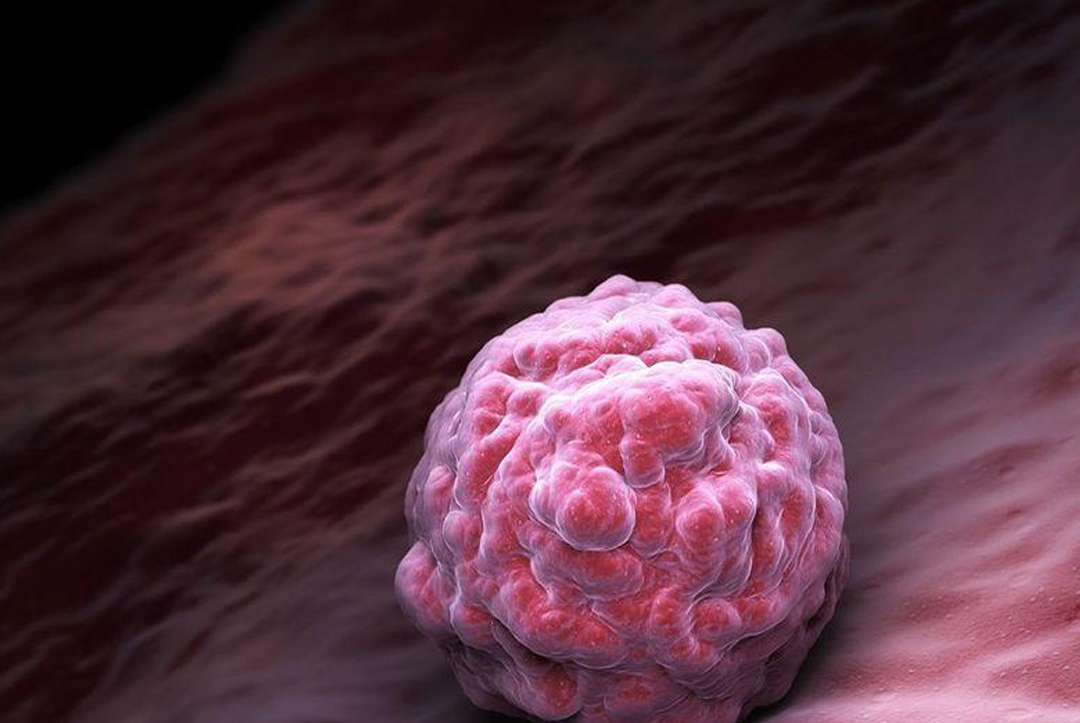
For IVF patients, even if a high-quality blastocyst is obtained, pregnancy is not guaranteed. The final step that determines the outcome is precisely whether the embryo and uterine environment can achieve 'harmonious coordination'.
Why do anxiety and stress affect pregnancy?
Many people think stress is only a psychological issue. In fact, it directly affects the body's endocrine system.
When the body is under prolonged anxiety and tension, the hypothalamic-pituitary-adrenal (HPA) axis is continuously activated.
This leads to:
- Elevated cortisol;
- Reduced sleep quality;
- Immune dysfunction;
- Increased inflammation levels.
These changes not only affect ovulation but also alter the local reproductive tract environment.
Simply put: the greater the stress, the more the body tends to enter 'defense mode'.
And for an embryo, a uterine environment under chronic inflammation and stress is not the ideal soil for implantation.
An Easily Overlooked Vicious Cycle
In clinical practice, we often see the following:
- Failed conception → Increased anxiety
- Increased anxiety → Poorer sleep
- Poorer sleep → Hormonal imbalance
- Hormonal imbalance → Microbiota disruption
- Microbiota disruption → Lower implantation rate
- Implantation failure → Even more anxiety
Ultimately, this forms a self-reinforcing closed loop.
Thus, many patients with seemingly normal test results still struggle to conceive. The problem may not lie in any single indicator, but rather in the imbalance of the entire reproductive micro-environment.
How to Improve the Reproductive Microbiome and Enhance Conception Chances?
Improving the reproductive environment requires more than just 'relaxing'. A more scientific approach should address multiple dimensions simultaneously.
① Ensure High-Quality Sleep
Sleep is one of the most important ways to regulate hormones and the immune system.
Suggestion: try to go to sleep before 11 PM, ensure 7-8 hours of sleep, and avoid staying up late.
② Manage Stress Levels
Research has found that mindfulness training, yoga, meditation, and regular exercise can all help lower stress hormone levels.
When cortisol decreases: the body's inflammation levels also improve accordingly.
③ Pay Attention to Microbiota Health
For those with repeated implantation failure, recurrent miscarriage, or long-term infertility, consider evaluating under a doctor's guidance: vaginal microbiota; endometrial inflammatory status; and overall reproductive tract microbiome balance.
Targeted treatment is often more important than blindly repeating transfers.
④ Adjust Diet
The microbiota's favorite foods are actually simple:
- Dietary fiber;
- Dark leafy vegetables;
- High-quality protein;
- Fermented foods.
On the other hand, foods high in sugar, oil, and processing may increase inflammation levels.
Final Thoughts
Many people think of pregnancy simply as the union of egg and sperm. But in reality, from fertilization to implantation, it's a complex process involving hormones, immunity, microbiome, metabolism, and psychological state working together.
If you have experienced multiple failed attempts or repeated implantation failure, consider shifting your focus from just the ovaries and uterus to the entire reproductive micro-ecological environment.
Sometimes, the key to conception isn't about the embryo not being good enough, but about the body not yet being ready to welcome it.

- Previous
- Next