
Which Families Are Better Suited for IVF in Thailand? These 7 Types of Families Should Take a Closer Look
As life speeds up, marriage and childbearing are delayed, and attitudes toward family planning change, more families are taking a proactive interest in their fertility. When natural conception does not happen despite trying, or when issues such as age, fallopian tube health, egg or sperm quality, or genetic risk are present, IVF has gradually become an assisted reproductive option that more and more families want to understand.
At the same time, some families look abroad, hoping to find more medical options and treatment choices. With its established assisted reproduction system, international patient environment, and well-rounded service process, Thailand has become one of the destinations that families seeking fertility care abroad pay attention to.
So, which groups of people may want to learn more about IVF in Thailand? And which fertility needs are better addressed by Thailand's third-generation IVF?
Below, Global New Life provides a detailed breakdown of the common situations.
1. Individuals with female fertility factors such as ovulation or fallopian tube issues
A woman's ability to conceive depends on the coordinated function of ovulation, fallopian tubes, endometrium, and the endocrine system. An abnormality in any of these can affect natural conception.
For example, some women may have ovulation disorders, blocked or abnormal fallopian tubes, endometriosis, or other conditions that affect fertility.
The fallopian tubes play a crucial role in bringing the sperm and egg together and transporting the fertilized egg. When the tubes are blocked, filled with fluid, or dysfunctional, the sperm and egg may struggle to meet naturally even if ovulation is normal.
For such families, after completing systematic testing, a reproductive specialist can evaluate ovarian reserve, tubal condition, age, and previous conception attempts to determine whether further consideration of IVF is needed.
2. Families with male fertility factors
Many families focus first on the woman's health after a long period of unsuccessful attempts, but fertility is a process involving both partners, and the male factor deserves equal attention.
Common male fertility problems include low sperm count, poor sperm motility, abnormal sperm morphology, impaired sperm production, and ejaculatory dysfunction.
Therefore, when assessing fertility, it is usually recommended that both partners be tested rather than subjecting only the woman to repeated evaluations.
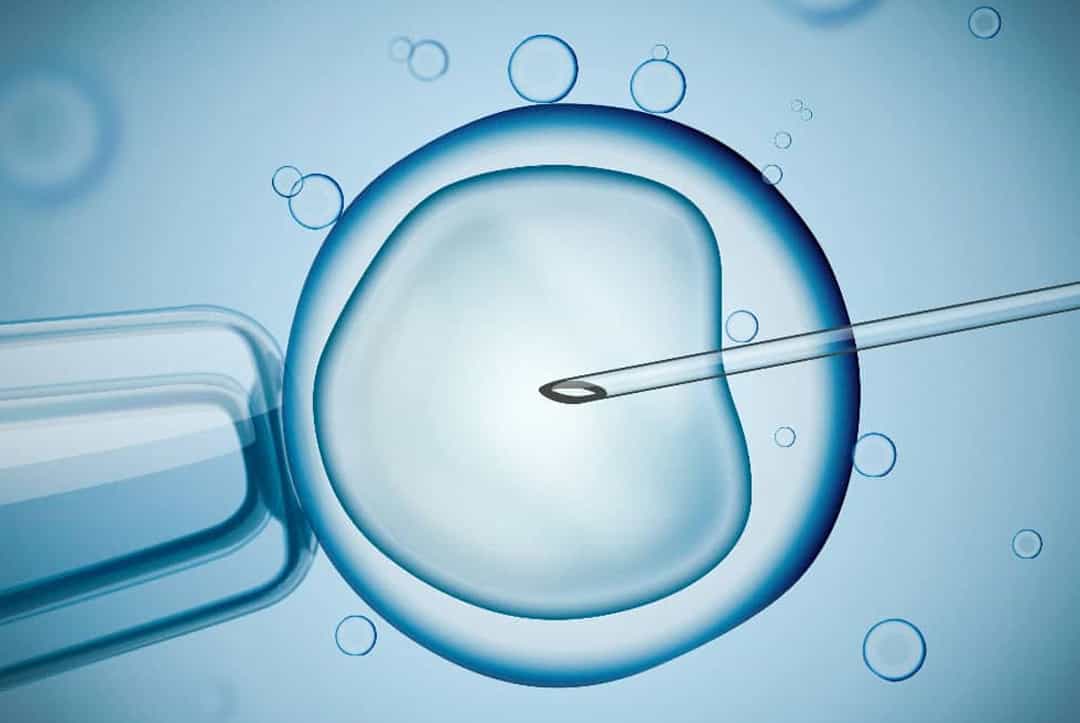
If a man's semen analysis shows significant abnormalities, the doctor will evaluate the next steps based on the actual situation. Some families may require assisted fertilization techniques such as ICSI to help achieve fertilization through laboratory procedures.
The specific method chosen will still depend on the semen analysis results and the overall condition of both partners.
3. Couples trying to conceive at an older age
Age is one of the most important factors affecting a woman's fertility.
A woman is born with a finite number of follicles in her ovaries. As she ages, ovarian reserve gradually declines, and the quantity and quality of her eggs may also change.
Especially after age 35, the decline in female fertility tends to accelerate. At the same time, the risk of embryo chromosomal abnormalities also rises with age.
Therefore, for women who are older, have been trying to conceive for a while without success, or plan to have children later in life, it is better to undergo fertility evaluations such as AMH, baseline hormonal levels, and antral follicle count sooner rather than waiting.
Whether third-generation IVF in Thailand is suitable cannot be determined by age alone; it requires a comprehensive evaluation that includes ovarian reserve, sperm parameters, obstetric history, and genetic considerations.
4. Individuals with recurrent difficulty conceiving or unexplained causes
There is also a special category of families in real life.
The couple may have undergone multiple tests that show no obvious problems, yet after a long period of natural attempts, they still have not achieved the desired result.
Fertility is a very complex process, from ovulation, fertilization, and embryo development to eventual implantation; every step can influence the outcome.
Therefore, families who face long-term difficulty conceiving and have not identified a clear cause after basic testing can seek further, more systematic evaluation at a specialized reproductive center.
The doctor will typically take into account the couple's ages, duration of attempted conception, ovarian reserve, semen parameters, and previous pregnancy history to determine whether to continue trying naturally, use other assisted methods, or further consider IVF.
5. Families with Genetic or Chromosomal Risks
This is also one of the important reasons why many families consider third-generation IVF in Thailand.
Chromosomal abnormalities may be associated with arrested embryo development, recurrent miscarriage, and an increased risk of certain hereditary diseases. If one or both partners have been found to have chromosomal structural abnormalities, or if there is a clear family history of genetic disorders, greater attention should be paid to preconception genetic counseling.
Third-generation IVF typically refers to combining IVF/ICSI with preimplantation genetic testing, commonly known as PGT.
Depending on the medical indications, PGT may involve different testing approaches, such as screening for embryonic chromosomal aneuploidy, certain monogenic disorders, or chromosomal structural rearrangements.
It is important to note that PGT is not necessary for everyone undergoing IVF, nor can it guarantee that a future baby will be completely free of health problems.
The decision on whether relevant testing is needed should be based on the couple's genetic tests, age, previous pregnancy history, and the comprehensive judgment of physicians and genetic counselors.
6. Families with a History of Recurrent Miscarriage or Embryonic Abnormalities
If you have experienced multiple miscarriages, arrested embryo development, or recurrent embryonic chromosomal abnormalities, in addition to evaluating the woman's uterine environment and endocrine status, it is also important to consider the couple's chromosomes and embryonic genetic factors.
Before such families begin planning for pregnancy again, a more complete investigation of potential causes may be helpful.
If tests indicate relevant medical indications, your doctor may further discuss whether to use third-generation IVF in Thailand and PGT technology to perform genetic testing on embryos, and then develop a subsequent transfer plan based on the actual situation.
Compared with simply repeating attempts, identifying possible factors affecting pregnancy first and then developing a plan tailored to the specific issues is often more meaningful.
7. Families Seeking Assisted Reproductive Services Overseas
In addition to medical factors, some families choose IVF in Thailand because they wish to access a broader range of overseas medical resources and a different healthcare experience.
This is especially relevant for families planning cross-border childbirth, seeking fertility treatment abroad, or hoping for more comprehensive Chinese-language coordination services; the preliminary considerations go far beyond simply selecting a hospital.
From organizing medical records, choosing hospitals and doctors, and scheduling consultations, to accommodation, transportation, translation, medical appointments, and subsequent travel arrangements after arriving in Thailand, every step directly shapes the overall experience of the process.
Furthermore, the medical requirements and legal regulations for different assisted reproduction programs are not identical. Matters involving the source of gametes, embryo testing, and other third-party assisted reproduction needs should be confirmed in accordance with Thailand's current laws and regulations, hospital policies, and the couple's actual circumstances. It is not advisable to make decisions based solely on online promotional information.
This is also why thorough information verification and careful planning are crucial before undertaking cross-border assisted reproduction.
Third-Generation IVF in Thailand Is Not for Everyone
Many people first learning about IVF assume that the 'third generation' is more advanced than the first or second generation.
In fact, the terms 'first, second, and third generation' are largely colloquial labels rather than a simple technological progression; they refer to different assisted reproduction techniques used for different fertility challenges.
Therefore, choosing the 'third generation' does not necessarily mean better outcomes, nor do all families traveling to Thailand need to undergo PGT.
The truly rational approach is to first complete a basic fertility assessment for both partners, and then determine which plan is appropriate based on age, ovarian reserve, semen analysis, genetic testing, and previous pregnancy history.
Global New Life: Reducing the Information Gap in Your Journey to Thailand
For families new to seeking fertility treatment abroad, what often causes anxiety is not just the medical aspect itself, but also the unfamiliar country, language barriers, hospital selection, and how to coordinate the entire journey.
Global New Life has long focused on assisted reproduction in Thailand and overseas medical accompaniment services. From initial communication, hospital information gathering, and doctor appointments, to translation and accompaniment, itinerary coordination, and medical appointment assistance after arriving in Thailand, we aim to help every family gain a clearer understanding of their travel plan.
Regardless of which hospital or treatment plan you ultimately choose, it is advisable to first understand your own physical condition before making targeted decisions.
IVF is never a simple decision.
For families planning third-generation IVF in Thailand, fertility treatment abroad, or cross-border childbirth, what truly matters is finding a medical plan that matches their own situation and clearly planning every step in advance.
Spending less time on blind trial and more time on thorough understanding may be the safer way to begin this fertility journey.

- Previous
- Next