
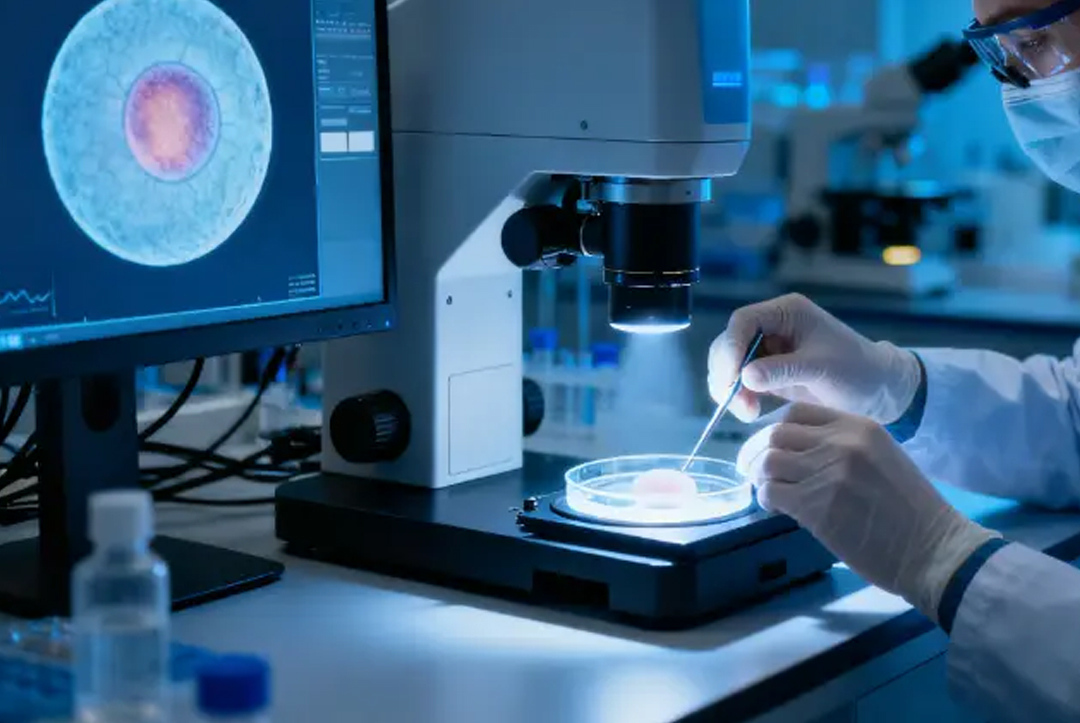
Third-generation IVF (PGT) technology brings hope for couples at risk of genetic diseases to have healthy offspring
With the rapid advancement of assisted reproductive technology, preimplantation genetic testing (PGT) offers hope to couples at risk of genetic disorders, enabling them to have healthy offspring. This technology allows genetic screening of embryos prior to implantation, preventing the transmission of many genetic diseases at the source, and promoting healthy births. This is an exciting development.
Core Advantages of PGT Technology
By performing genetic screening on early embryos, PGT technology can effectively prevent the transmission of three main types of genetic disorders:
-
Chromosomal disorders:
Such as trisomy conditions like Down syndrome, which can prevent intellectual disability and severe malformations in the fetus. -
Monogenic disorders:
Including more than 6,000 genetic diseases such as thalassemia, cystic fibrosis, and hemophilia. -
Chromosomal structural abnormalities:
Such as balanced translocation leading to recurrent miscarriage.
Clinical data shows that PGT can reduce the miscarriage rate related to chromosomal abnormalities from 50-70% to below 10%, significantly increasing the rate of healthy live births.
How Does PGT Improve IVF Success Rates?
-
Scientific selection of high-quality embryos:
Through objective genetic testing, it enables selecting the best among the best, with clinical pregnancy rates reaching 60-80%. -
Significantly reducing miscarriage risk:
Reduces the miscarriage rate related to chromosomal abnormalities from 50-70% to below 10%. -
Reducing the number of transfer attempts:
Most patients achieve success within 1-2 cycles.
Three Main Types of PGT
Test Type: PGT-A
Target population:
Advanced maternal age, recurrent miscarriage.
Preventable conditions:
Chromosomal trisomies such as Down syndrome.
Test Type: PGT-M
Target population:
Couples who are carriers of monogenic disorders.
Preventable conditions:
Thalassemia, cystic fibrosis, etc.
Test Type: PGT-SR
Target population:
Carriers of chromosomal structural abnormalities.
Preventable conditions:
Conditions related to balanced translocation.
Who Is Suitable for PGT Technology?
- Women of advanced maternal age (≥35 years)
- Patients with recurrent miscarriage (≥2 episodes)
- Carriers of chromosomal abnormalities
- Couples who are carriers of monogenic genetic disorders
- Patients with repeated IVF failure
A Rational View of the Limitations of PGT Technology
- There is a misdiagnosis/miss rate of approximately 1-5%, and prenatal diagnosis is still needed during pregnancy.
- It cannot screen for all diseases, especially polygenic disorders.
- There may be cases with no embryos available for transfer.
- The cost is relatively high; a complete PGT cycle in China costs approximately 130,000-150,000 RMB.

- Previous
- Next